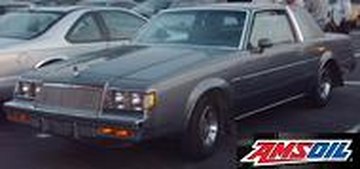
Engine Lubrication and Maintenance for the 1982 Buick REGAL 4.4L
Maintaining the lubrication system of a 1982 Buick REGAL with the 4.4L engine requires a consistent approach to monitoring fluid health and mechanical integrity. As vehicles age, the way they respond to maintenance can shift, making it essential for owners to move beyond generic service schedules and focus on the actual condition of the components under the hood.
Monitoring Fluid Integrity and Potential Seepage
One of the most effective ways to monitor the health of the 4.4L engine is through regular visual inspections of the engine bay. Rather than waiting for a significant leak to occur, owners should look for signs of seepage around various sealing surfaces. Over time, gaskets and seals can undergo changes in elasticity due to heat cycles and age.
When performing routine checks, pay close attention to the following:
- Sealing Surfaces: Inspect areas where different engine components meet for any signs of dampness or oily residue.
- Drain Areas: Check the area around the oil pan and drain plug for evidence of slow leaks that might collect dust and debris.
- Fluid Appearance: If you are checking the oil level, take a moment to observe the color and consistency of the lubricant. Significant darkening or a gritty texture can indicate that the oil is heavily contaminated or has exceeded its effective service life.
It is important to note that visible signs of moisture or residue do not always point to a single failing component; they are often indicators that various seals may be reaching the end of their functional lifespan and warrant closer inspection.
Managing Long-Term Engine Health
For an owner of a 1982 Buick REGAL, establishing a maintenance baseline is a vital step in long-term ownership. If the vehicle's service history is incomplete or unknown, the first priority should be to document its current state. This involves recording the results of initial inspections and noting any immediate repairs that are necessary.
Once a baseline is established, maintenance priorities can be managed based on actual condition rather than just chronological age. For example, an engine that shows no signs of leakage or unusual consumption may require different attention than one showing early signs of fluid loss. Keeping a detailed log of every oil change, filter replacement, and observed mechanical change allows you to identify patterns. If you notice that the frequency of fluid top-offs is increasing, this provides a factual basis for scheduling more intensive diagnostic work.
Prioritizing maintenance also means distinguishing between preventive measures and unnecessary replacements. Instead of replacing components simply because they are decades old, focus on parts that show physical signs of deterioration, such as cracking in rubber hoses (if present) or fraying on accessible drive belts, if equipped.
Observing Potential Warning Signs
While many lubrication issues develop slowly, certain symptoms should prompt immediate investigation. Because mechanical symptoms can often be associated with multiple underlying causes, they should be viewed as indicators for further diagnosis rather than definitive proof of a specific part failure.
Be alert to the following observations:
- Unusual Odors: A smell of burning oil may indicate that lubricant is contacting a hot engine surface.
- Changes in Consumption: If you find yourself needing to add more oil more frequently than in previous months, this warrants an inspection of the engine's sealing and breathing systems.
- Visual Indicators: Any dashboard warning lights related to lubrication or engine temperature should be addressed immediately to prevent potential damage.
- Exhaust Observations: Changes in exhaust color or consistency can sometimes be linked to how the engine is managing its internal fluids.
If any of these signs occur, the most effective course of action is to have the system inspected by a professional to determine the exact source of the issue.
Systematic Inspection of Engine Accessories
Beyond the oil itself, the components that support engine operation require periodic attention. For the 1982 Buick REGAL, this includes checking any auxiliary systems that interact with the engine's performance.
If equipped, inspect all accessible drive belts for signs of glazing, cracking, or fraying. These belts are subject to significant heat and tension, and their condition is vital for the operation of various engine accessories. Similarly, if the vehicle is equipped with various hoses, check them for softness, bulging, or brittleness. Any evidence of cooling-system leakage or residue around hose connections should be investigated promptly, as thermal management is closely tied to overall engine stability.
Electrical integrity is another factor in consistent maintenance. Inspecting wiring and electrical connectors for corrosion or loose seating can prevent intermittent issues that might otherwise be mistaken for mechanical failures. A clean and secure electrical environment ensures that sensors and monitoring systems provide accurate data regarding the engine's operating state.
Practical Approaches to Lubricant Selection
When it comes time to service the 4.4L engine, selecting a lubricant involves more than just picking a brand. The goal is to match the product to the specific requirements of the application as defined by the technical data provided for this vehicle.
Modern lubricant technology offers several formulations that may be relevant depending on the engine's current condition:
- Conventional Oils: These are standard mineral-based lubricants.
- Synthetic and Synthetic Blends: These formulations often provide different thermal stability profiles compared to conventional oils.
- High-Mileage Formulations: Some high-mileage oil formulations contain additives intended for use in aging engines, including seal-conditioning additives that may help maintain the integrity of older gaskets.
Regardless of the formulation chosen, always verify that the product meets the appropriate API certification standards to ensure it provides the necessary level of protection and deposit control.
Buying Engine Oil for your 1982 Buick REGAL 4.4L
To ensure the continued health of your engine, you must match the engine oil to the application-specific viscosity information shown above on this page. Do not rely on general automotive knowledge or assumptions based on the vehicle's age to determine which grade is appropriate. Instead, use the specific SAE viscosity and application details provided in the technical specifications section of this webpage.
When you are ready to purchase, check the product labels carefully to confirm that the viscosity matches your requirements exactly. If your engine shows signs of significant age, you may consider evaluating high-mileage formulations, but always prioritize the specific viscosity and certification standards listed in your vehicle's application data. By following the provided specifications, you ensure that the lubricant is capable of providing the correct level of protection for your 1982 Buick REGAL 4.4L.